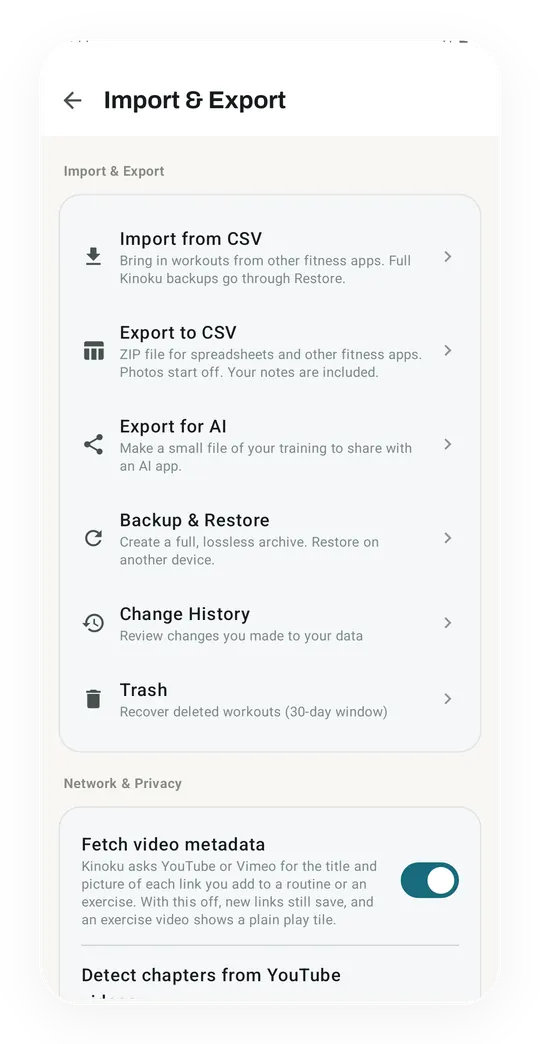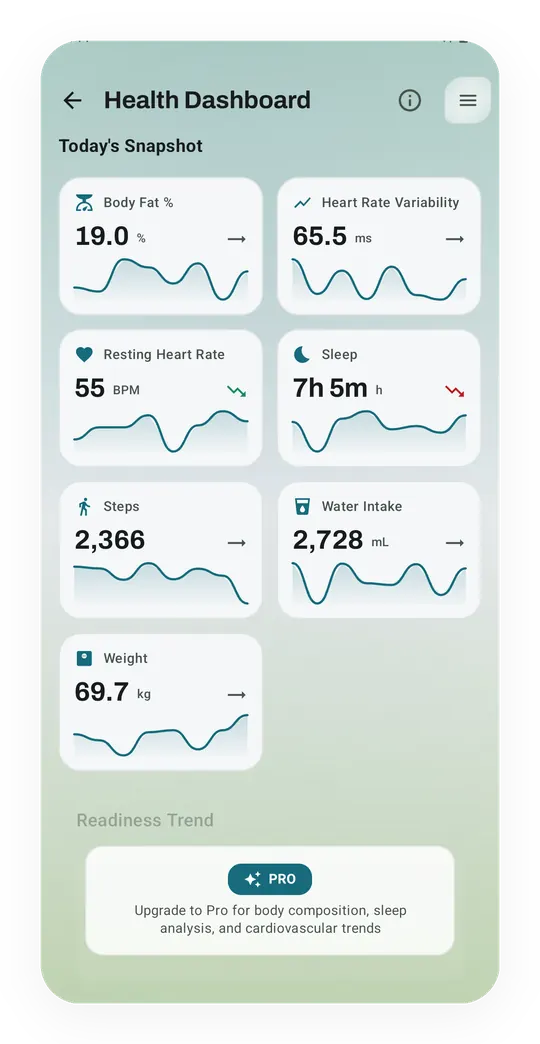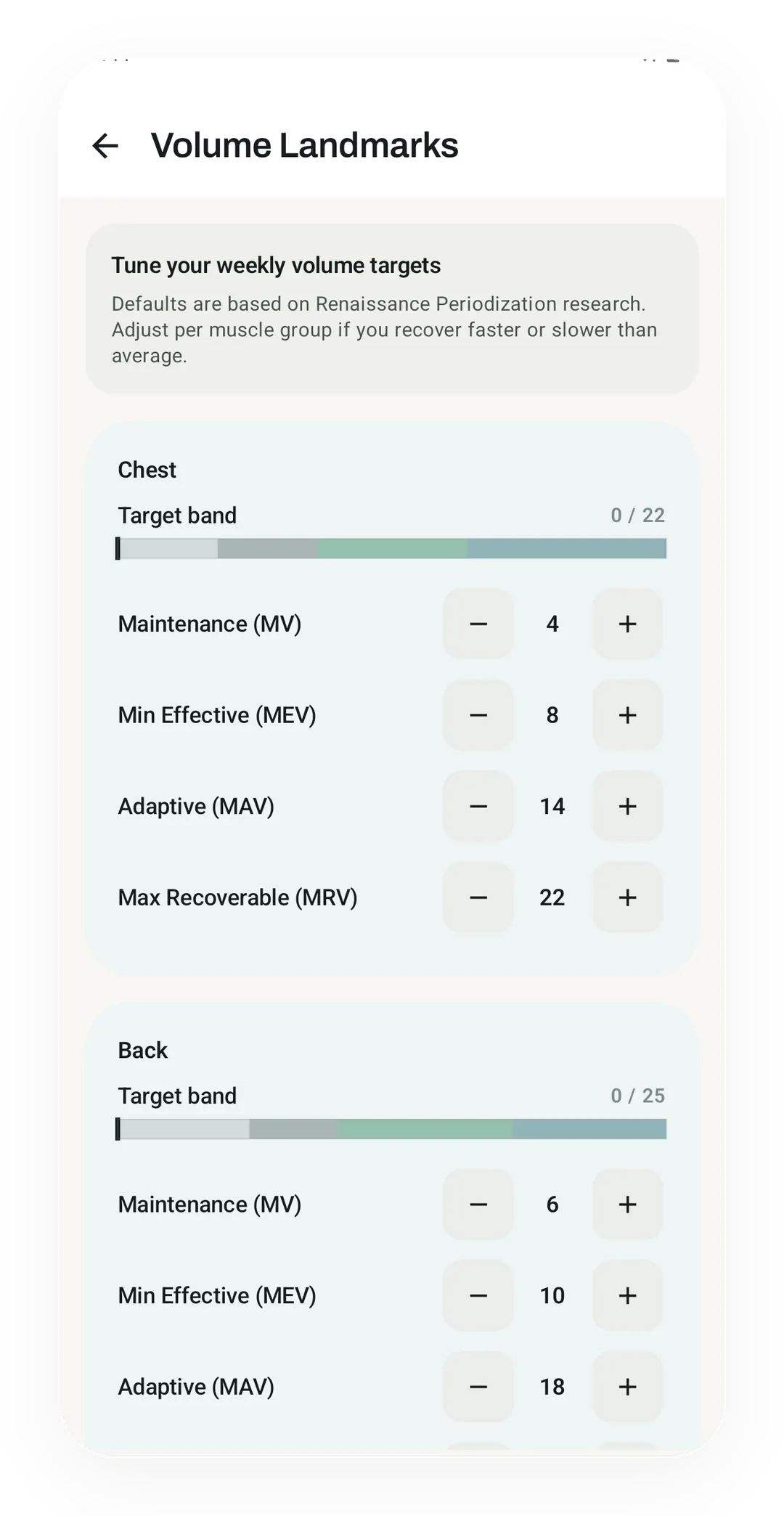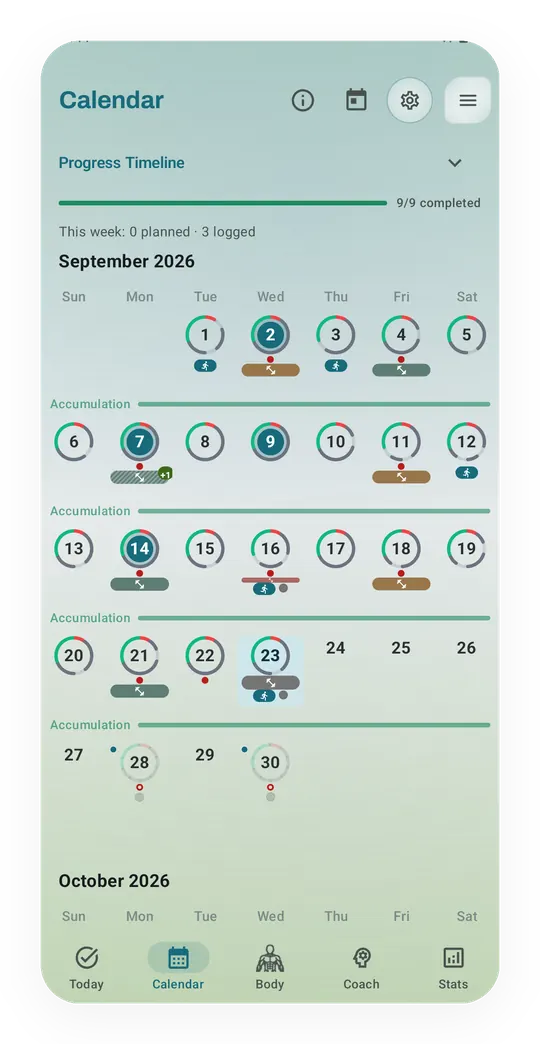
Kinoku 1.4: somewhere to go, a log that fits
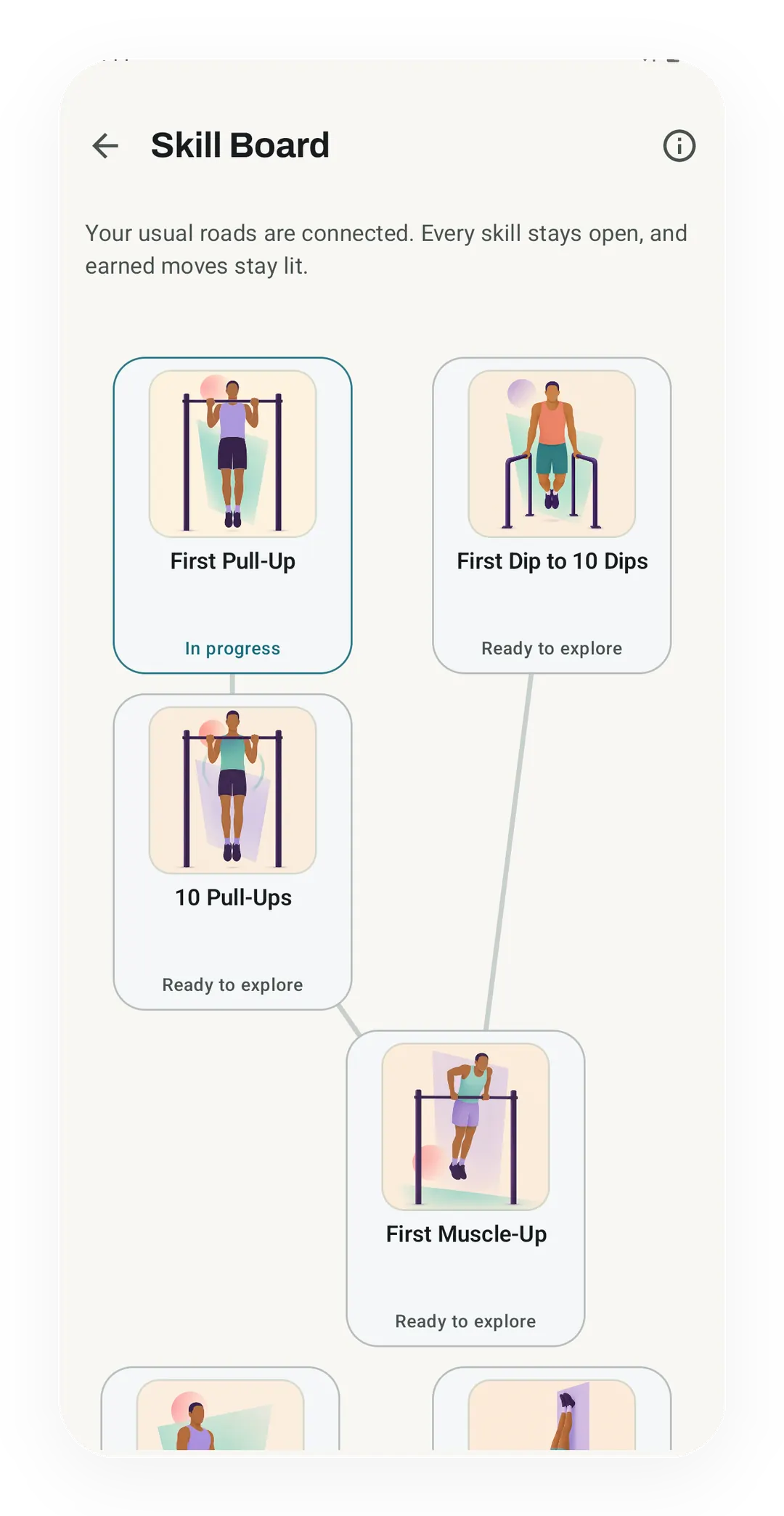
Meet Journeys, see the redrawn Today card, choose how your sets look, and find a program that fits your week. A closer look at Kinoku 1.4.0.
Training and the choices behind Kinoku.
Meet Journeys, see the redrawn Today card, choose how your sets look, and find a program that fits your week. A closer look at Kinoku 1.4.0.
How a question about a map grew into a way to follow a story through the movement you already record.
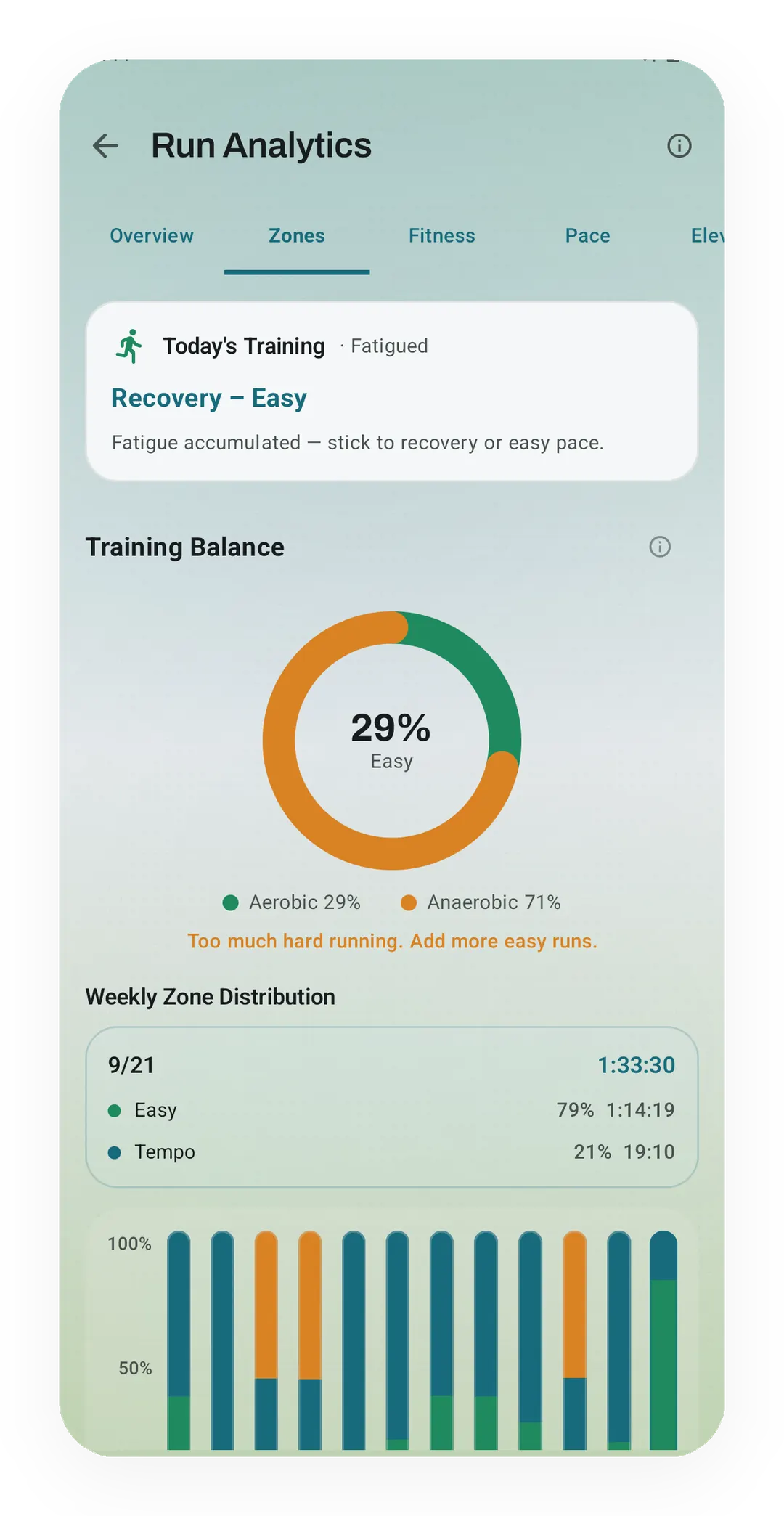
The definitions disagree and a heart rate strap is a shaky judge. Here is how Kinoku works your zones out from your own runs instead, and where that fails.
Try another topic or a shorter search, or clear the filters to see every article.
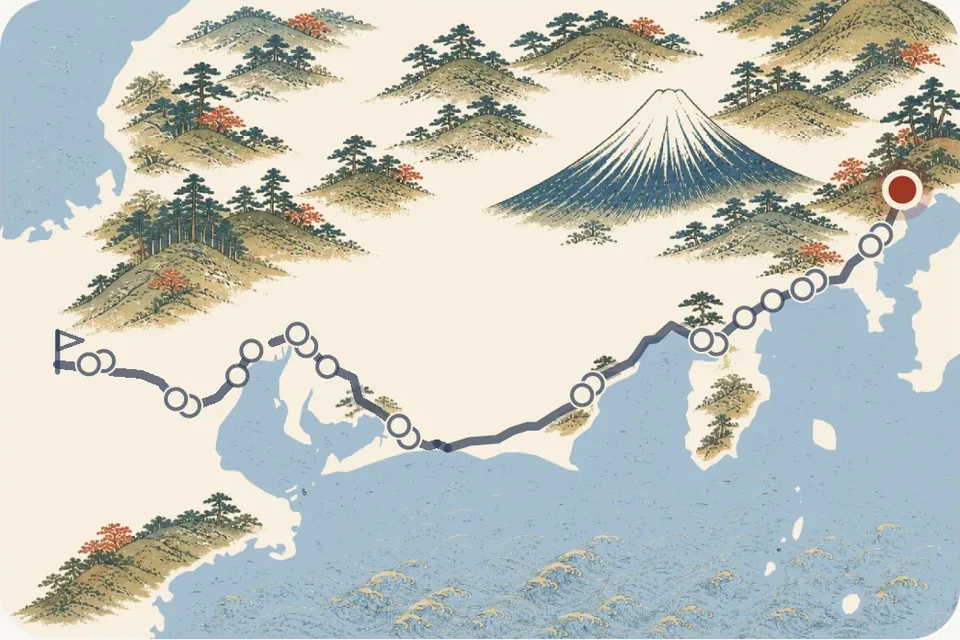
Why Hiroshige's road fits Kinoku, where its 55 stops come from, and how the 492 km Journey turns daily movement into progress.
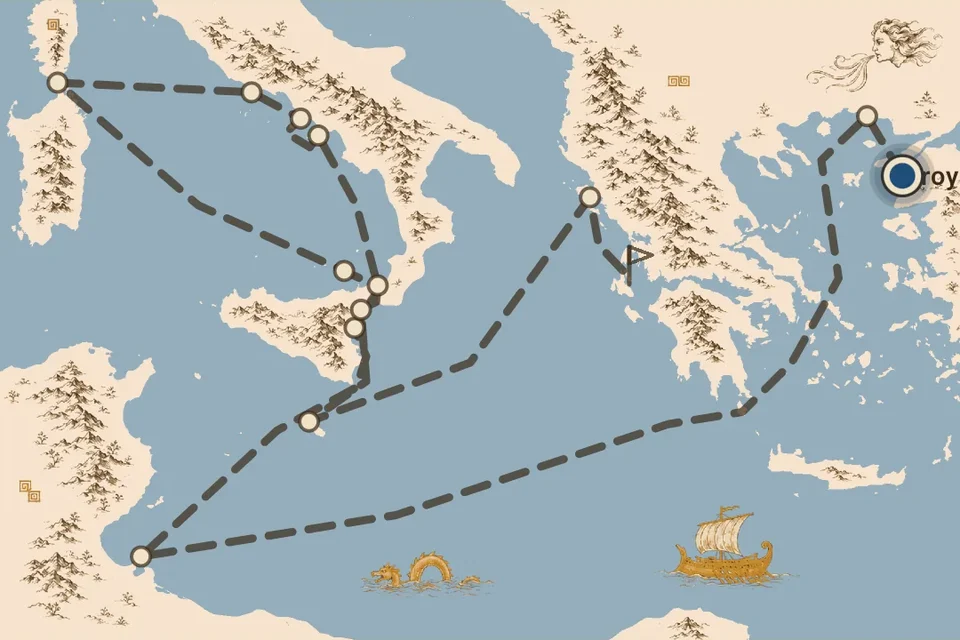
The Odyssey's places are open to debate. Here is how Kinoku maps them, labels the uncertainty and sets a distance for following the story.
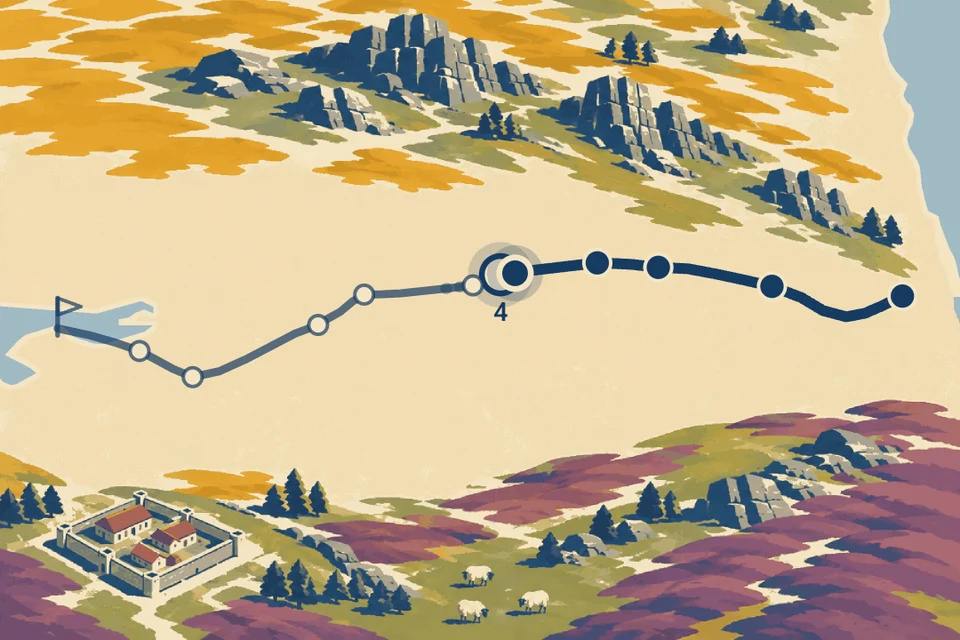
A shorter Journey across northern England: why Kinoku uses 135 km, where its 11 stops sit, and how your walks and steps carry you along.
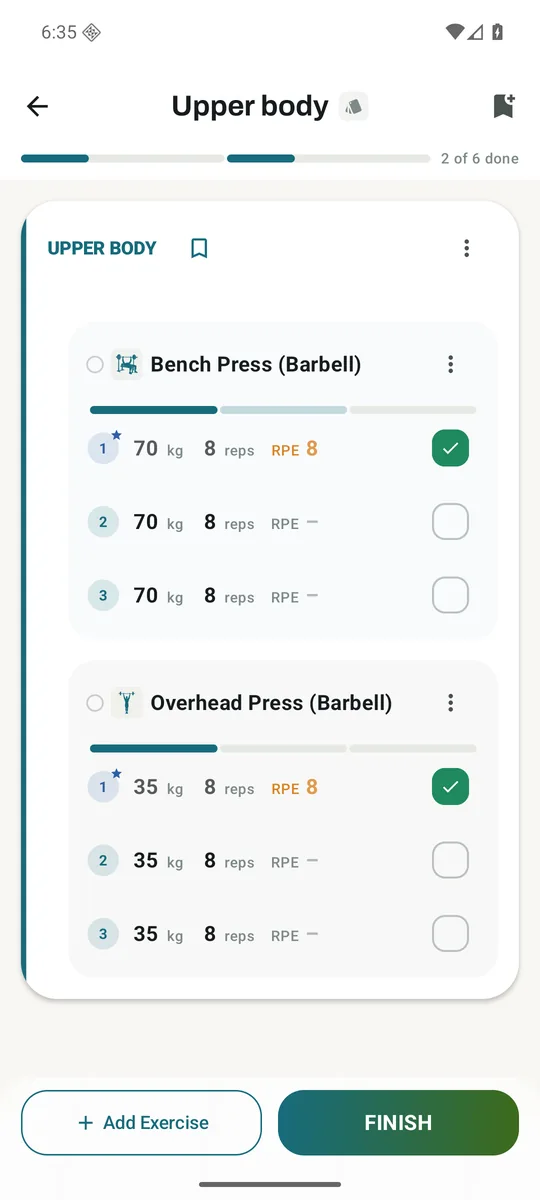
Why Kinoku has three ways to edit sets on the session screen, and why I still like the separate exercise screen.
How a question about a map grew into a way to follow a story through the movement you already record.
Meet Journeys, see the redrawn Today card, choose how your sets look, and find a program that fits your week. A closer look at Kinoku 1.4.0.
Skill Journeys, maps without the watermark, one answer on the Today tab, and a camera that reads a written program into a routine.
The definitions disagree and a heart rate strap is a shaky judge. Here is how Kinoku works your zones out from your own runs instead, and where that fails.
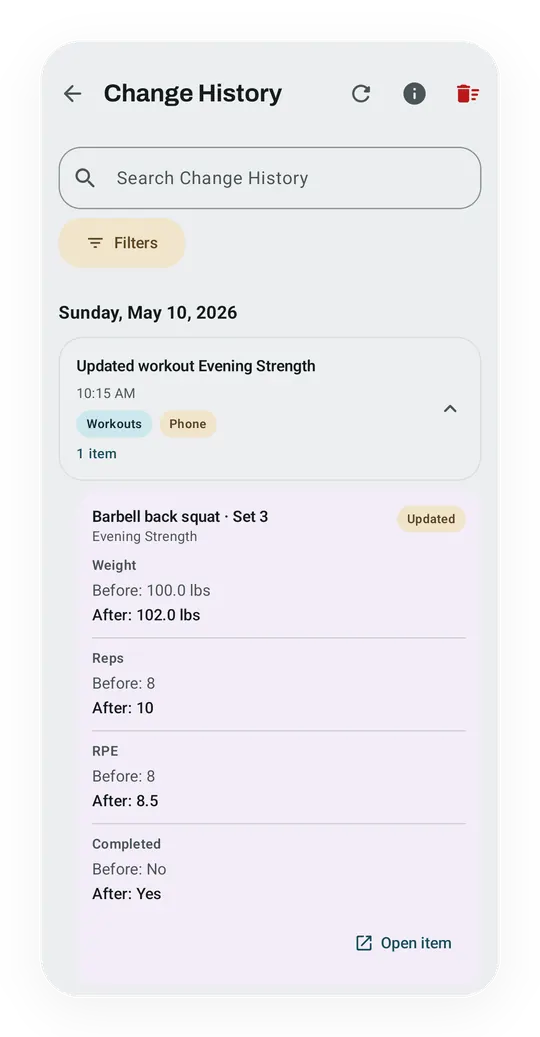
A training record is only useful if you can see what changed. Here is why before-and-after history matters, and how Kinoku keeps it local.
One paid plan instead of two, training programs and the calendar moved to free, and you can log a class you took.
Kinoku now watches each lift on its own, adds a home-screen widget, and lets you scrub through your Score day by day.
Why Kinoku keeps core tracking on-device, works without a mandatory account, and names the few features that reach the network.
A careful Android setup for following your own HRV trend: consistent measurement, Health Connect, and on-device context rather than a one-number verdict.
Macro, meso, and microcycles: a practical way to organize training goals, blocks, and weeks without a spreadsheet.
Stop using your training calendar as a to-do list. Use it as a feedback loop between your plan and your reality.
What polarized 80/20 training means, what the research does and does not show, and how to use it as one possible intensity-distribution model.